Monday, September 18, 2006

Summer


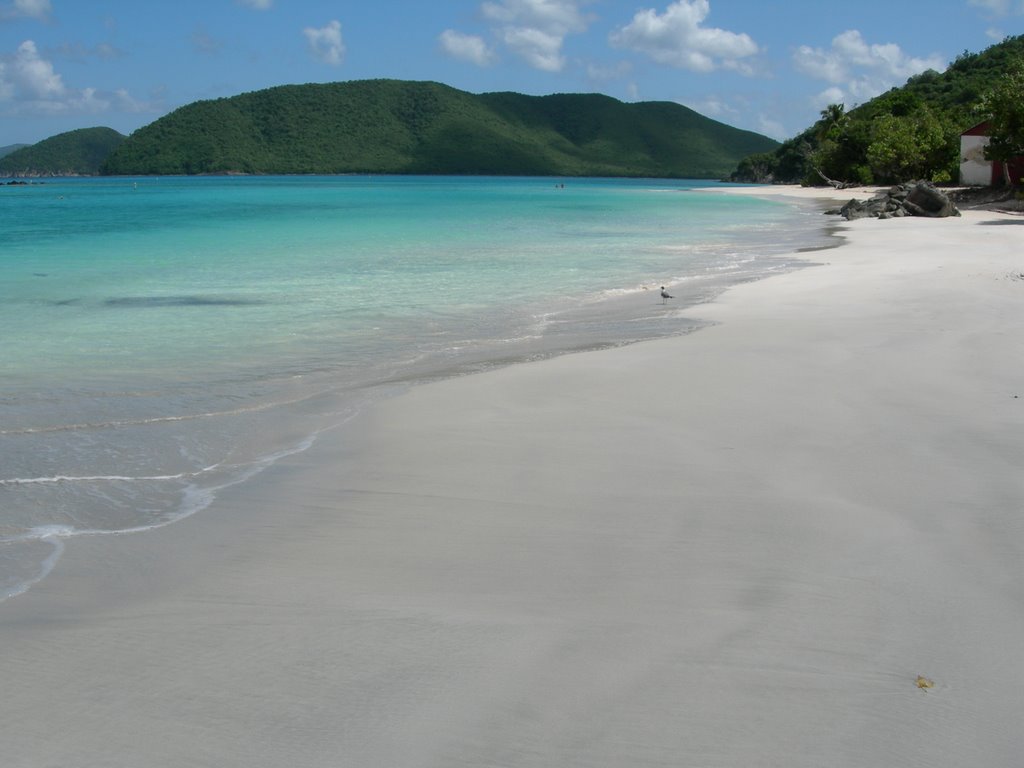
Cinnamon Bay Beach and the Archeology Lab

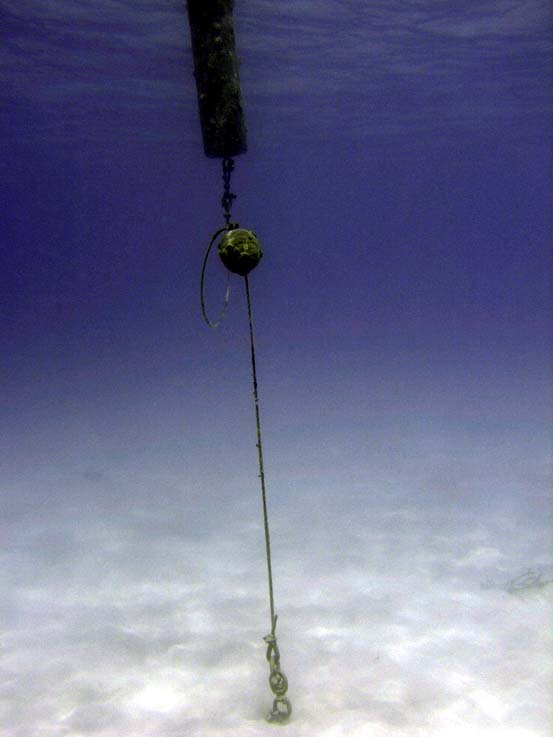
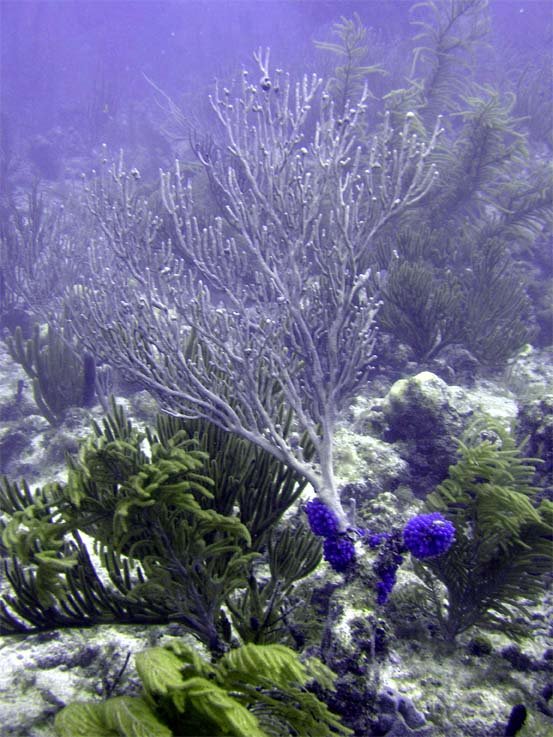
The archeology program is slowly awakening from it's summer slumber, although there's hardly a soul on the beach. There are no interns as yet, as it is too hot too stay in the tents and the threat of hurricanes keep Cinnamon Bay campgrounds closed for this month. Nevertheless, Ken and Susanna have been seen doing archeological monitoring of road crews digging holes for traffic counters. However, they do enjoyed staying cool at the Biosphere in the air-conditioned office working on the collections, getting ready for the regional archivist or performing underwater archeological investigations of a historic anchors for our Archeological Sites Management Information System (ASMIS)
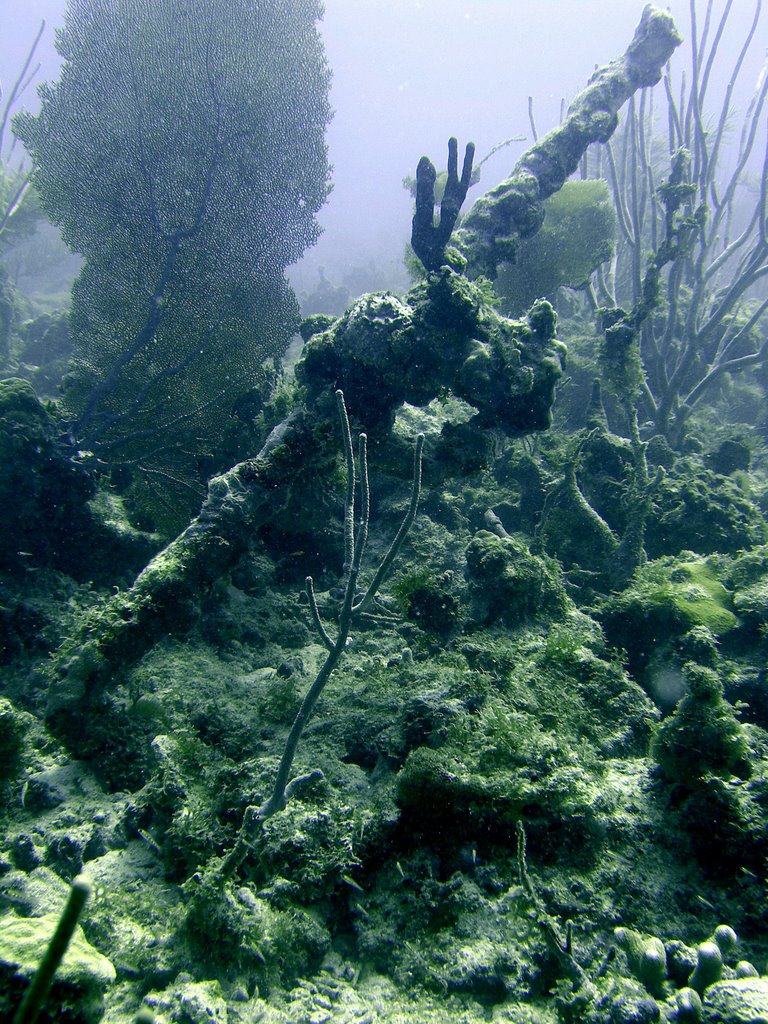


Submerged Historic Anchor


Earlier this week, while finally completing the annual inventory, Susanna spotted the 1707 Danish silver Kroner coin and an almost new silver 10 kroner coin dating to 1714, both in the Cinnamon Bay Historic collection. These coins were instumental in helping the park determine the archeological record and the story of the people who lived at Cinnamon Bay before the Islands were offically colonized by the Danes in 1718. The archeological record of this shoreline indicates that the area was occupied decades before official Danish colonization in 1718. This is a fascinating period of St. John history involving Amerindians, Africans, Settlers and Pirates! More information about the Settlement at Cinnamon Bay may be found at the Friends of the Park Website.

Authentic Danish Kroner
Monday, June 26, 2006

Henley Cay

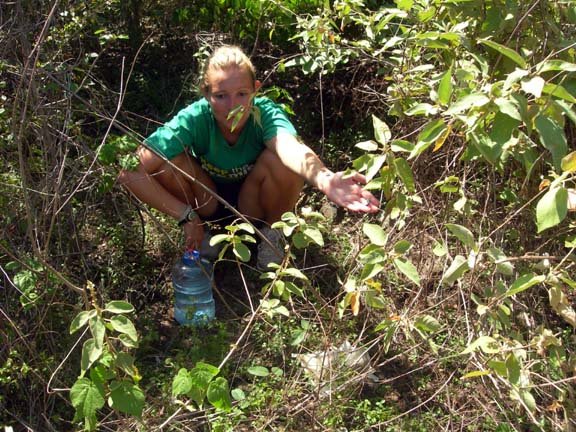
Katie holding a historic fragment she found on Henley Cay The ruins and cays of St. John have undergone a spring cleaning this past month. A team of specialist came in and removed vegetation from some of the park's structures and lands, making it easier for the archeologist and interns to survey the sites. Last week, we went to Henley Cay to look for evidence of the escapees from the 1733 Slave Revolt on St. John. Plantation owners would have fled to this cay when the slaves rebelled and took over some of the plantations. Thorough searching yielded historic glass, historic ceramics and one modern plane crash. The plane crash is well documented; the historic ceramics a possible lead in our quest to find the evidence we are looking for.


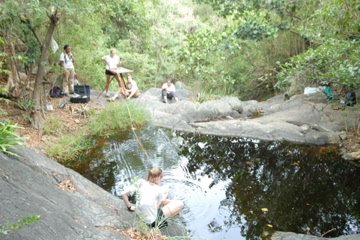
Katie Fuller is a new intern (not so new now) from UVI. She will be with us for the summer. Her sister, Shea, is also volunteering. Both are great additions to the team. In addition, the Syracuse University has a team on island that is helping out with archeology. On Friday of last week, we returned to the Petroglylphs and began drawing a map of the pool and hiked up the trail to take photographs of Josie's Gut.

Friday, June 16, 2006

Captain’s Log: Stardate 2006


My final blog entry. It seems like just yesterday that we started this blog. I will be leaving St. John and the NPS archeology crew Monday for a three-week trip through Central America. I will spend the rest of my summer visiting with friends and family before heading to the University of South Carolina to begin work on my Master’s degree in anthropology.
I’m spending my final few days working with Katie on comparing our paper catalog records to those in the computer. Before throwing away the paper records we want to make sure they are all in the computer database, otherwise, we will lose that information.

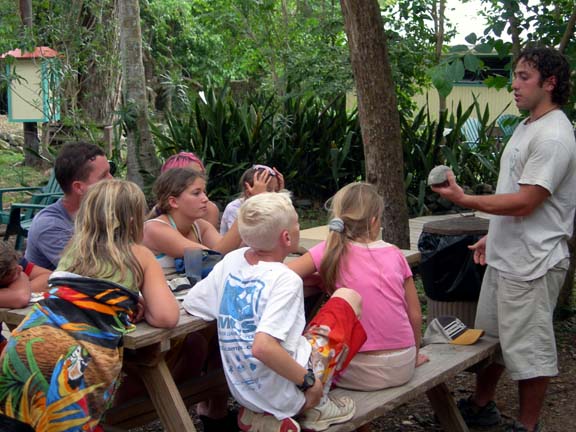
On Monday I gave a brief talk about archeology to a very interested group of third graders from St. Thomas.
On Wednesday, Katie and I met with a group from the Coast Guard with their families at VIERS. The group came over from Puerto Rico by boat and is spending the week enjoying the island. We taught them about the history of the Taino occupation of St. John. Puerto Rico has a rich Taino history so our talk was particularly pertinent to them. Both groups kept us on our toes with excellent questions.

Although I’m ready to go home, my time on St. John was very enjoyable. In nine months I went from zero archeological experience to feeling fairly well versed in archeological techniques and Virgin Islands history. This is largely due to Ken and Susanna and their willingness to impart their knowledge on me. Hopefully I will get to work with them in some format again in the future.

(Although it will never be the same, blog updates will continue as Mick moves on to other adventures. Good luck Mick, We'll miss you!)

Friday, June 09, 2006

Virtual Preservation Progress Report


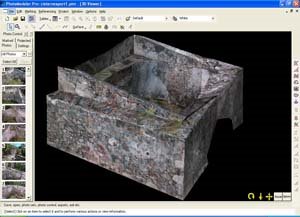
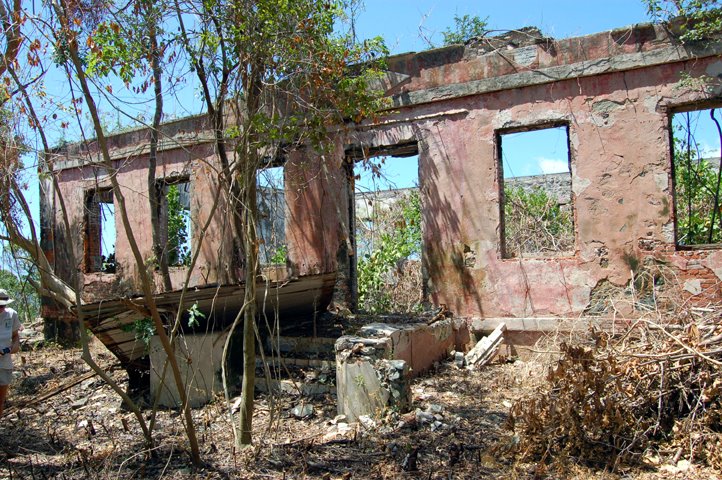
After several months of hard work, the University of Maine has posted their recent work on the virtual preservation of the Leinster Bay Ruins. Please see our previous post in the archives from March for more information. You can find the 3d models at http://www.umaine.edu/set/met/VirginIslands.htm.


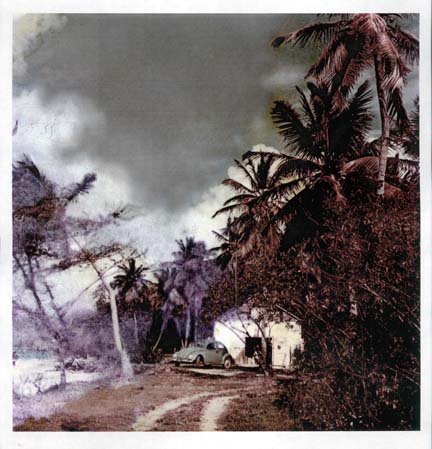
Ken is back working on the petroglyph documentation and plenty of other beauracratic requirements. The interns are busy with a variety of projects, including more exploring on Cabrite Horn and organizing the catalog record forms in the storage facility. Susanna is completing the yearly inventory, doing some housecleaning, including sifting through some old photographs. Among the many photographs in the collection, a few become instant favorites, such as this 1960's photo of a VW bug in front of the Cinnamon Bay. Thanks to Caroline Rogers of the USGS for bringing this great glimpse of the past to our attention.

Tuesday, June 06, 2006

A Closer Look


(Tony, Justin and Katie investigating the newly revealed petroglyph)

Most of us have taken some time off from archaeology . One thing we did accomplish last week was a trip to the petroglyphs. Since the Reef Bay Petroglyphs are in the process of a preliminary transnational nomination as a World Heritage Site, we’ve needed to do more research for all the documentation and there was one carving sited listed in “The Petroglyphs of the Lesser Antilles, The Virgin Islands and Trinidad by C.N. Dubelaar” which Ken wanted to find. So the five of us, Ken and his brother Tony, nephew Justin, Katie and Susanna set out by boat to Reef Bay. It was a rough trip as there was a sizeable swell from the south, but we all made it ashore with our dry clothes and camera gear in drybags. We began with an investigation of reported digging at the Reef Bay Factory Site. Fortunatly, we determined that the “holes” were due to natural causes, such as a boar rooting around for food. Next we hiked up to the waterfall and got there just ahead of the weekly NPS tour. Since Ken is the expert the Ranger was happy to have him speak to her group about the meaning of the Petroglyphs while the happy visitors ate lunch. Meanwhile, the rest of us looked for this particular carving. It seemed as though we had checked about everywhere when Ken’s brother Tony, who was sitting nonchalantly by the pool admiring the red and purple dragonflies, shouted, “what about this?” Sure enough, Tony had discovered the missing glyph, right under our noses. By then it was our lunchtime and after taking a bunch of photographs we headed down the trail with the intention of returning soon to do more mapping. While snorkeling back to our boat, a large spotted eagle ray swam by and lingered with us for quite a while. After lunch, Ken and Susanna completed one dive survey at Henley Cay while the others snorkeled. Just another day in paradise.(drawing of the petroglyph in C.N Dubelaar's book)

Other news: Mick is committed to South Carolina in the fall for a master’s degree in Archaeology. He only has a few more weeks before leaving for Central America for a trip with his father. He spent today with a student from St. Thomas who is interested in Anthropology.

Ken, Susanna and Molly all swam in the Beach to Beach Power Swim, placing second, first and second, respectively, in their age groups. Officially, Ken and Susanna tied at 29:17 but it looks as though she’s slightly ahead by this photograph of the finish line.

Sadly, Molly returned to Ohio today, having finished her photography work for the park.

And finally, Susanna has been offered the Museum Curator position pending a background check.

Friday, May 26, 2006

Memorial Day


Since a good portion of the cultural resources of the Virgin Islands National Park are underwater, diving is an important part of our work. Both Ken and Susanna are on the dive team and participated in a dive recertification for the National Park most of the week. On Tuesday, the dive team traveled to St. Thomas to visit the hyperbaric chamber and attend lectures on hyperbaric medicine. The highlight of the day (besides docking next to mega cruise ships in the harbor) was a ride in the hyperbaric chamber down to 60”ft for about ten minutes. If the scenario was not hypothetical, and a diver was suffering from the bends, it would take at least 245 minutes at various depths to properly decompress the patient. The National Park Service is the oldest civilian diving organization in the government and because of the extensive safety protocol and rigorous training schedules, the park has never suffered a loss in a diving accident. Yesterday, the dive team completed a 2700m swim in less than 18 minutes and went through a serious of practices including “ditching” all the gear underwater and putting it back on, rescue breathing and map and compass work. This week fulfills part of the 24hr/year requirements for dive team members.


In addition to all the diving, Ken met with a historic mason, Edwin Colon, from the San Juan National Historic Site to discuss the repair of the Lameshur Ruins. The Lameshur Plantation was originally four plantations laid out during the 1720’s. These estates were eventually consolidated into a single unit of production by 1740, producing mostly cotton. Between 1773 and 1784 some sugar cane was cultivated and the painting from this period shows that most of the acreage had been cleared. Sugar production was discontinued after 1858 and Lameshur transitioned into raising stock. The first US Coast and Geodetic Survey shows that in 1919, most of the land was planted in either fruit, bay trees or grass pasture for the large herd of cattle. Cattle farming and bay leaf harvesting ceased in the early 1950’s and most of the plantation buildings have fallen into various stages of ruin. Interestingly, the presence of lime trees on the grounds shed light on the name “Lameshur.” According the small booklet, “Some True Tales and Legends about Caneel Bay and Trunk Bay, and a hundred and on other places on St. John,” compiled by Charlotte Dean Stark in 1960, The Geographic Dictionary says the name signifies Lemon Shore or Lime Shore. Map makers of the old days, who seem to have found the name incredible, changed it to La Masure, French for “The ruin.” Through this series of mistaken pronunciations and etymologies, it became Lameshur on the US map of 1934.

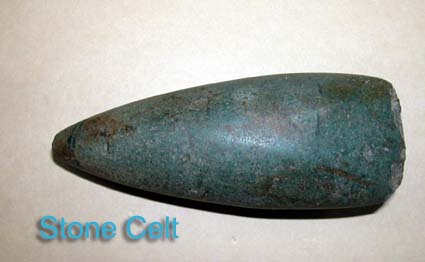
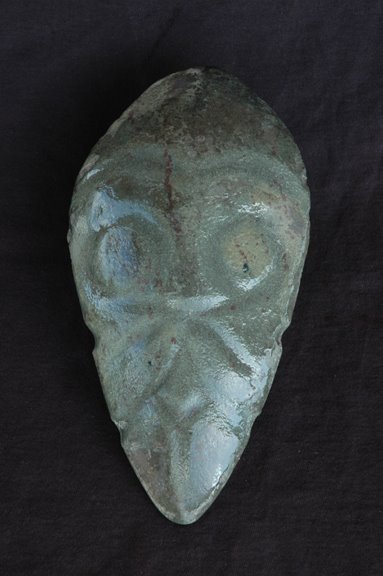
Other than that, Mick is off island for a couple of weeks of vacation, Molly is busy photographing the collection such as this ceremonial celt, and a new intern, Katie, from the University of the Virgin Islands just signed on to help us out a couple of days a week. After such a busy week everyone is looking forward to the three day holiday weekend and participating in the Friends of the Virgin Islands National Park Beach-to-Beach PowerSwim. http://www.friendsvinp.org/swim/06info.htm. Good luck to all the swimmers!

Friday, May 19, 2006

America Hill


My name is Molly Nook. Today was the first day of my month long internship with archeologist Ken Wild. My background is in photography which will be utilized these next few weeks photographing the ruins and artifacts. I’m thrilled to have the opportunity to work with the Ken and the NPS and to learn as much as I can about archeology and the rich local history.

Today was quite an exciting first day. After meeting at Cinnamon Bay Lab to review some of the artifacts on display, Ken, Susanna, Mick and I hiked the half hour trail through Bay Rum trees and Teyer Palms and up to the America Hill Estate. There we photographed the Main House, the Cookhouse, Cistern, Servant’s Quarters and Yardwall. We also recorded measurements and data for the structures that are believed to date back to the early 18th century. America Hill is such a beautiful site, with the Estate house’s neoclassical detailing, weathered coral lime plaster facade and gorgeous view of Maho Bay. On a clear day you can see over Tortola.

Because of it’s complex and rich history, America Hill will be nominated to the National Register of Historic Places. Within the nomination it is noted that, “periods of ownership in the 1850’s-1860’s remain remarkably intact, and provides a vivid picture of life on St. John Plantation. In February, 1863, for example, the Estate was supplied with 5 Westfalia Hams, 4 tins Green peas, 6 tins carrots, a dozen quarts Claret, 1 bottle Anchovies, 1 bottle capers, 1 bottle white pepper and ½ doz. small bottles Matteo Cologne. In the same month, they received, 1 white cotton twill, 32 yards, white Shirtings ‘francais’, ½ dozen white shirts, 1/3 dozen Duck Pants, 1 black silk Parasol. The following month: One Panama Hat $6; One felt Ditto $3; One gray spring hat $3’ a Horse Whip 50cents and One box fine Domino $1.25.”

Finally, “over a seven month period in 1863, the estate received entertainment: 11 periodicals including Punch, Illustrated Times and London News; novels including Trolloppe’s Barchester Towers, Thackery’s Philip, Hugo’s Les Miserables, Macauley’s History of England and a book titled Manufacture of Liquors.”

America Hill has a significant flagpole and on April 5, 1917, Danish Flag was lowered and replaced with the American Flag. The estate gradually fell into decline, following hurricanes. As you wander around the estate today, you can’t help but wonder if the old can on the ground is from those green peas or if the 20th century wine bottle wasn’t left over from rambunctious visitors when America Hill ran as a guesthouse. There is a legend that the property was a base for bootlegged liquor and smuggling in the 1930’s yet by the 1940’s, the America Hill Greathouse was in ruins. Hurricane Hugo finally took the remains of the roof off and collapsed the principal floor into the basement. The America Hill site is now closed to visitors due to the unstable ruins.

Tuesday, May 09, 2006

Illustrations


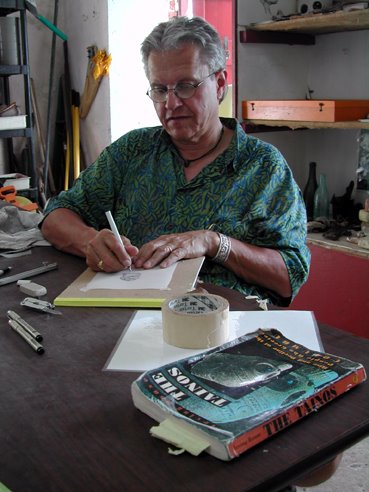
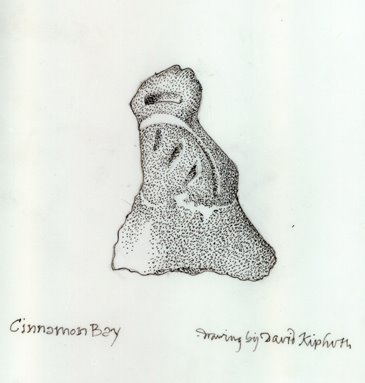
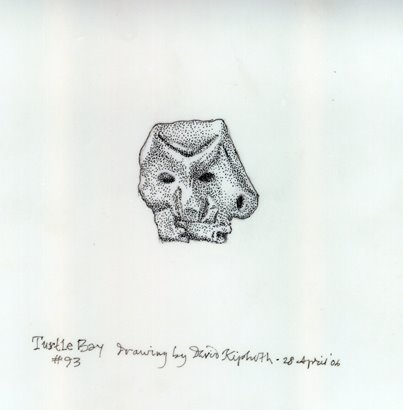
David Kiphuth is an artist from New York who has done freehand illustrations of archaeological objects for many publications, including Irving Rouse's "The Taino's, Rise and Decline of the People who Greeted Columbus," the preemiment text on Caribbean archaeology. While Ken and Mick were at the Society of American Archaeologists Conference in San Juan the other week, attending lectures which praised the accomplishment of Rouse and mourned his passing earlier this year, David was on St. John graciously volunteering his time and talent to the archaeology program. For two days he and his daughter Allie drew the artifacts recently aquired from Julia Condit. Illustrations of artifacts are useful because drawings can bring out characteristics and define features, dimensions, size which photographs are not able to capture. We would like to thank David and his family for their expertise and hope to see them again.

Tuesday, May 02, 2006

Inventory

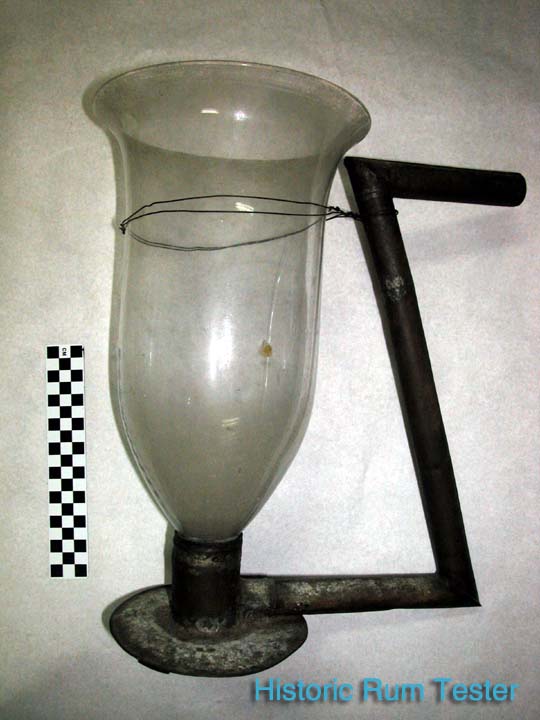
Rum tester used for Rum Production at Reef Bay Plantation, catalogued in 1960.

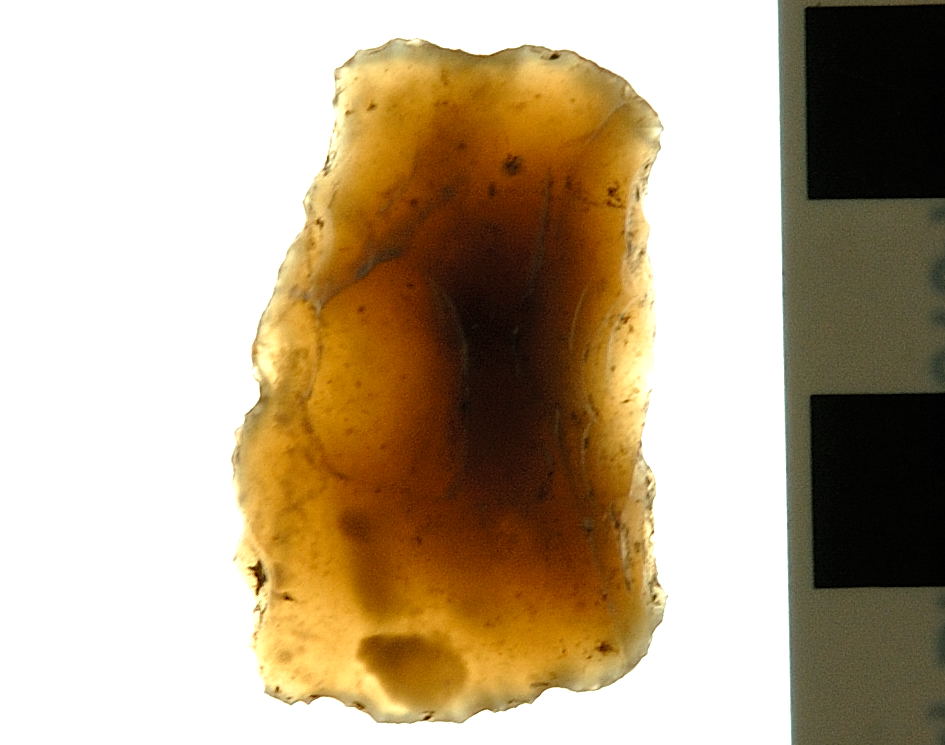
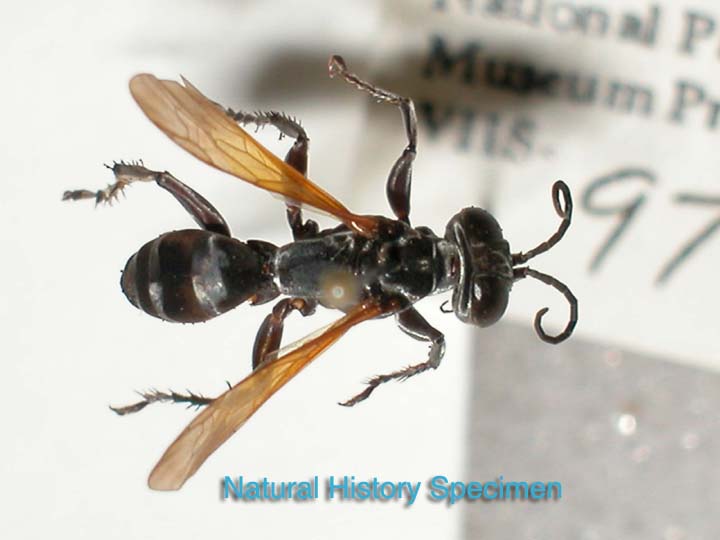
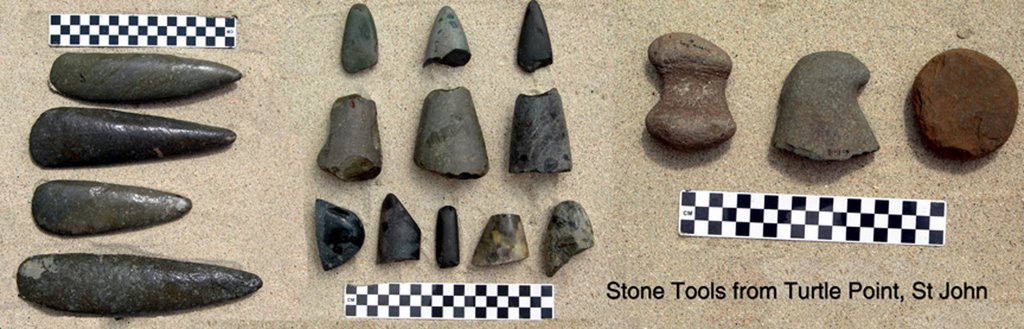
Mick and Susanna are conducting the annual Random Sample and Accession Inventory this week. Out of a total of 15,000 catalogued artifacts, we sample 202 and confirm that the object is found, that the location is correct and if all associated records are in order. As well, we confirm that all 254 Accessions are located. This inventory gives us a chance to go through all the storage cabinets and to see some artifacts that are rarely viewed. An example from the collection here includes the first prehistoric artifact in our collection, a stone celt, and the first historic artifact, a glass rum tester. A fine sampling of the islands history! We also will inventory the Natural History collection, including bugs, coral, plants and mammals. This should take us the entire week so that by the time Ken gets back from the UNESCO conference on Rock Art in Guadalupe, we will get back to digging at Cinnamon Bay. Polished green stone celt, composed of jadeite, surrounded principally by albite, triangular in shape, collected from Reef Bay area, below the petroglyphs, by David Bratsch, c. 1958.

Friday, April 21, 2006

Earth Day

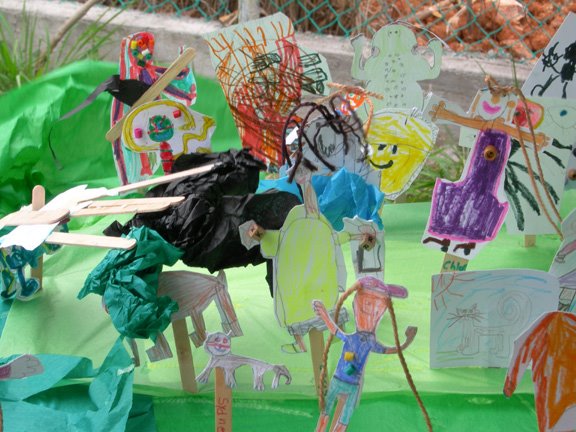
Crafts made out of recycled materials
Earth Day, 2006

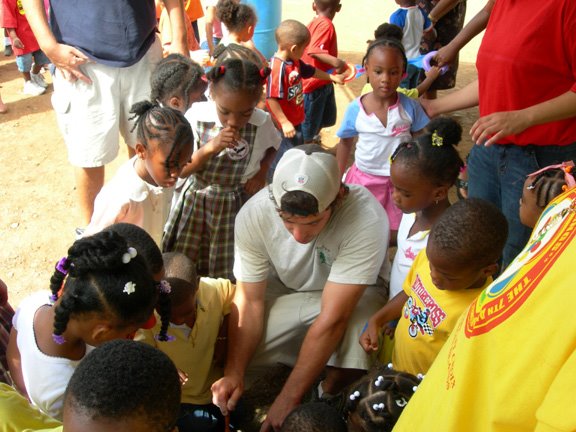
We just returned from a successful Friends of the Virgin Islands National Park Earth Day Celebration, 2006 on the ball field in Cruz Bay. There were many booths for the schoolchildren to visit: recycling, organic gardening, recycled crafts and of course, the National Park Service. Our Resource Management Team staffed a table which gave an overview of how we protect the natural resources of the island, such as turtles and coral by using moorings, which prevent boats from anchoring in fragile coral and seagrass. Mick and Susanna had a mini-excavation for the children, complete with Taino potsherds and historic artifacts buried in tuperware boxes filled with sand. Armed with trowels and shovels, hundreds of kids got to experience a dig and learned the difference between historic and prehistoric artifacts. Exclamations of “I found something, I found something” rang out and as one adult participant said, “They’re getting bit by the bug.”
The event was a pleasant break from a week spent on the Archeological Sites Management Information System (ASMIS) and cataloging. For ASMIS, we updated the database with GPS points and photographs. Mick continued to catalog VIIS-227 which is field finds and prepared three reports on the Turtle Bay Shovel Tests, Cinnamon Bay Erosion and the Caves. Ken has been preparing presentations for the upcoming Society of American Archeologists(SAA) Conference in San Juan, PR next week, in addition to the UNESCO Rock Art Conference in Guadelupe the following week. Mick will also attend the SAA conference while Susanna works on collection management.

Monday, April 17, 2006

With Help from the Community


The first part of the week Mick was investigating the petroglyphs on St. Kitts for a brief vacation. Ken and Susanna visited Caneel with Chuck Pishko. Chuck had located an 18th century candelabra at the kitchen area of the historic mangers house. Since the artifact was in the open where it could be collected as a keepsake, he concealed it and marked where he had discovered it. We collected the GPS data and the artifact. Thank you Chuck. (photo: Chuck Pishko with candelabra at Caneel)

Much of this week was devoted to cataloging. However, the interns had a busy and exhausting day on Thursday. The government requires each park to document the existence of all archeological sites, most sites have to be visited, and their condition reassessed every five years. This year we must find seven sites that the park has never assessed. We visited three of the sites on Thursday:, Hope, Paquerau, and Bordeaux Plantations. Luckily, for us, we were able to enlist the help of Peter Burgess, a St. John resident and avid hiker who is familiar with the locations of all three plantations. Peter had been there several times and generously volunteered to take us to the plantations. Following an Old Danish road, he led us up and down Bordeaux Mountain to each plantation. At the plantations, we assessed the condition of each archeological site and buildings. We collected GPS points on the corners of each structure so we can put them accurately on our GIS map and enter them into our Archeological Sites Management Information System (ASMIS). We also took length and width measurements of the buildings. Susanna photographed the buildings with us working as further documentation in the event the park is audited. We accomplished a great deal thanks to Peter and his knowledge of the island.(photo: Peter and Mick at Hope Plantation; Threat of Vegetation to Ruins at Paqeurau)

On Friday, Ken and Susanna completed an underwater survey at Trunk Bay so the park can install two sand screws for a dingy tether (a place to tie your dingy offshore). The tether will allow a dingy a place to park when the shore swells are too high for a safe beach landing. This archeological survey work is an example of basic resource compliance. In other words making sure that when they build, install, repair, renovate, restore, stabilize, or demolish anything in the park we first make sure no cultural resource are going to be damaged and if so, then a new process of mitigation is followed. But that is another story as nothing was found Friday except abandoned masks and snorkels.


(Photo: Channel Marker Screw in Trunk Bay, Depth, 15ft; Coral in the vincinity of cultural resources, Trunk Bay, 25ft)

Friday, April 07, 2006

Returning Home


Under the supervision of Ken Wild and with the help of interns, the Cultural Resources of the Virgin Islands National Park are in good shape. However, it wasn’t always the case. One of the truly disturbing thoughts to those of us involved in archaeology in the park is thinking about all the artifacts that have walked off this island in the past 300 years and are in private collections. The story of the Virgin Islands early history is built upon archaeological evidence, and when artifacts are removed by untrained individuals, entire persons, plots and events go with them.
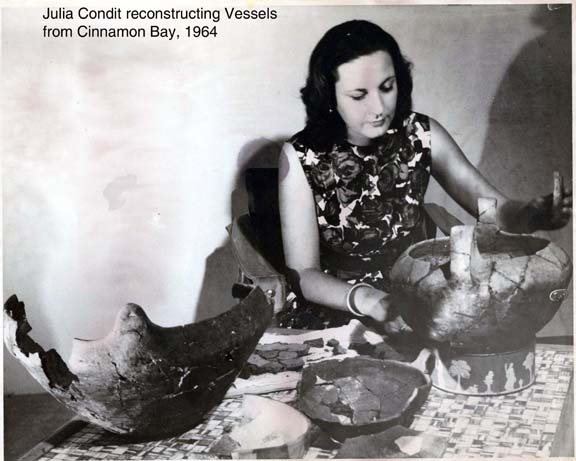
One important person in the story of St. John’s archaeological past is Mrs. Julia Condit. Mrs. Condit was the wife of Caneel’s Resident Architect, Mr. Thomas Condit. Together, they spent more than eight years on St. John and Julia spent an extraordinary amount of time piecing together the archaeology of the island. The Daily News from Friday, May 8, 1964 wrote that, “as an amateur archaeologist, Julia has worked with zeal and insight which have won ungrudging praise from the professional archaeologist.’ Thanks to her, valuable artifacts were saved from the dirt pile and oblivion during bulldozing operations at Caneel and Cinnamon Bay. Julia meticulously collected and restored hundreds of widely scattered pottery fragments which were put on display at the NPS Museum. Fortunately, the park has much of her collection intact today.
Ken Wild learned of Mrs. Condit about two years ago from Inga Hiilivirta from Islandia Real Estate on St. John. Inga knew the Condit’s in the 1960’s and gave Ken Julia’s number. Julia sent Ken some photographs and articles about her work. Ken learned that Julia had been asked by NPS employees to keep some of the artifacts because the park did not have the ability to curate the objects at that time. So Julia had been keeping them safe with her for fifty years!
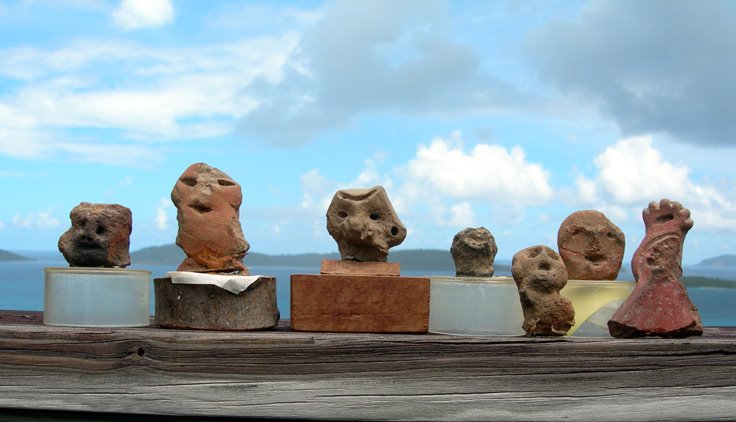
About two month ago, Susanna began working as a contract curator for the NPS and called Julia again. Julia agreed to send the artifacts back to the park and this week they arrived. What a wonderful collection! Inside the boxes were celts and stone tools, pottery sherds, shell ornaments and effigy faces which probably date between 1000-1450AD. When these artifacts are catalogued and placed in the collection, along with the information provided by Mrs. Condit, a new chapter in the story of prehistoric St. John will emerge.
Today, the Virgin Islands National Park is seeking the return of artifacts which have been removed from the Park. If you have any information regarding the removal of artifacts, please contact the park. Text and photos by Susanna Pershern

Monday, April 03, 2006

More Exploring


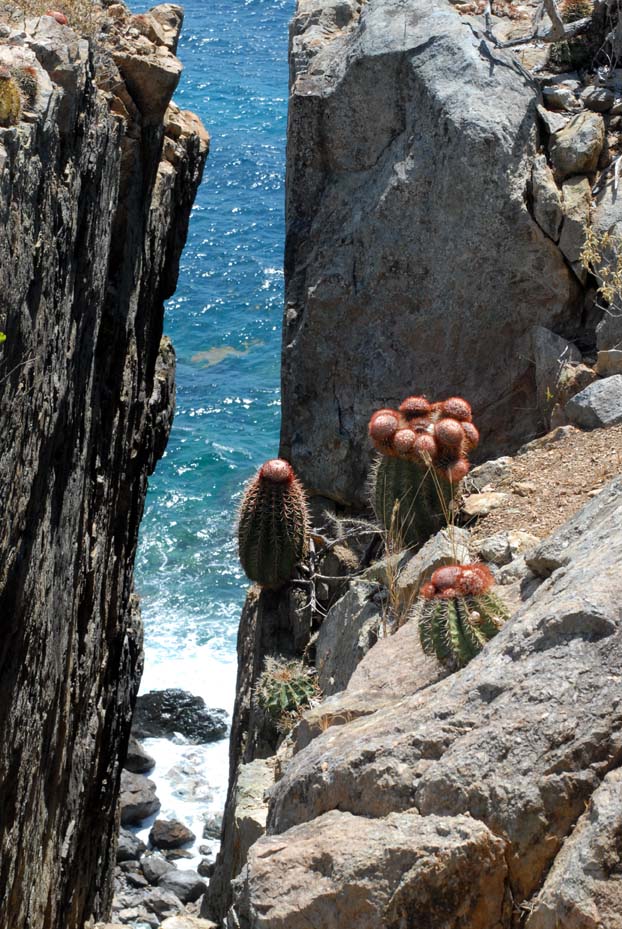
(On Cabrit Horn, St John)
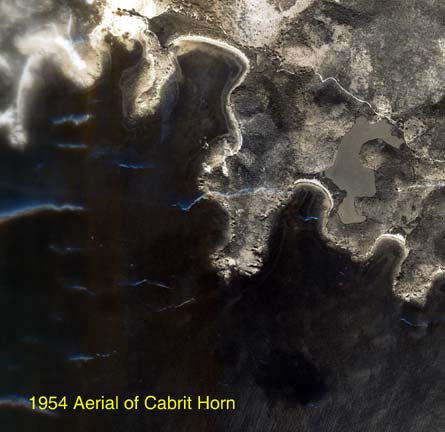
We have taken some time off from our current dig at Cinnamon Bay to pursue a few other projects. Last week we took a trip to Cabrit Horn to try to find two ruins to assess their condition for our site files that we keep in a government database termed ASMIS. ASMIS stands for Archeological Sites Management Information Systems. We found the Mandal Plantation. We searched for the ruins of a hospital for a while but to no avail. We’ll try again with a little more time examining the aerial photographs to see if we can pinpoint any square structures in the area that might be this historic hospital.


Andrew Connor and Mick Wigal spent several days putting the finishing touches on the Turtle Point dig. We completed all the cataloging of the artifacts and created a computer map of our shovel test units. Unlike our hand drawn maps, we are drawing this one in 3-D. Ken wants to brush up on his techniques with the software while teaching us the advantages of using this technology. Completing these steps allows us to finish the report for the project.

Intern Andrew Connor returned home to Massachusetts this week. He was a great help to Virgin Islands National Park archeology during the three months he was here. Hopefully he learned a great deal while working here and will pursue archeology as a career after finishing a degree in Anthropology from Augsberg College in Minnesota.